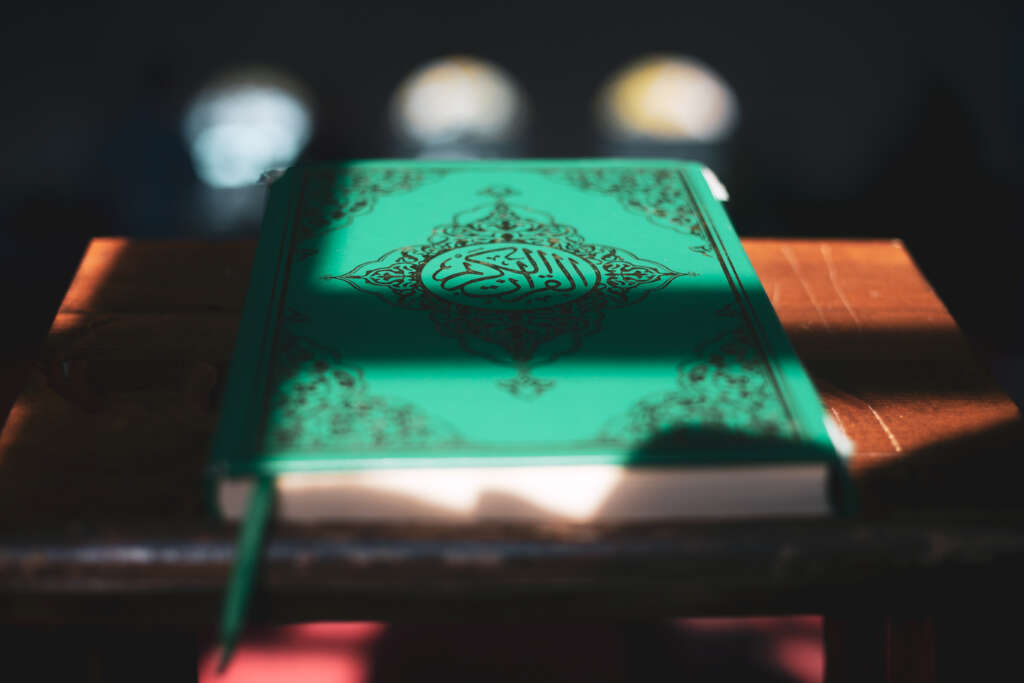
Dreams hold a profound significance in Islamic tradition, and the Prophet Muhammad (peace be upon him) addressed the subject of dreams extensively throughout his life. According to authentic hadith narrated by Abu Huraira (may Allah be pleased with him), the Prophet said: “A good dream that comes true is from Allah, and a bad dream is from Satan.” (Sahih al-Bukhari).
This fundamental teaching establishes that not all dreams carry the same weight or origin. The Prophet (PBUH) categorized dreams broadly into three types: dreams from Allah (true visions), dreams that come from one’s own thoughts and concerns, and unsettling dreams sent by Shaytan to disturb the believer’s peace of mind.
Guidance on Responding to Dreams
The Prophet (PBUH) provided clear guidance on how a Muslim should respond when they experience a troubling dream. He advised seeking refuge in Allah from the accursed Shaytan, spitting lightly to the left side, and changing the sleeping position. He further counseled that such dreams should not be shared with others, as sharing a bad dream could amplify its effect.
For good dreams, however, the Prophet encouraged believers to share them with those they love and trust, as such dreams may carry blessings and glad tidings. The study of prophetic hadith on dreams remains an essential part of Islamic dream interpretation to this day.